
Divorce can be a deeply emotional and legally complex process, especially for Indian spouses living in Edison, New Jersey. In addition to the typical challenges of ending a marriage, many Indian families must navigate cultural expectations, community pressures, and legal issues involving marriages that began abroad.
Whether you were married in India, are concerned about immigration consequences, or need to divide property across borders, you deserve a lawyer who understands both the law and your culture.
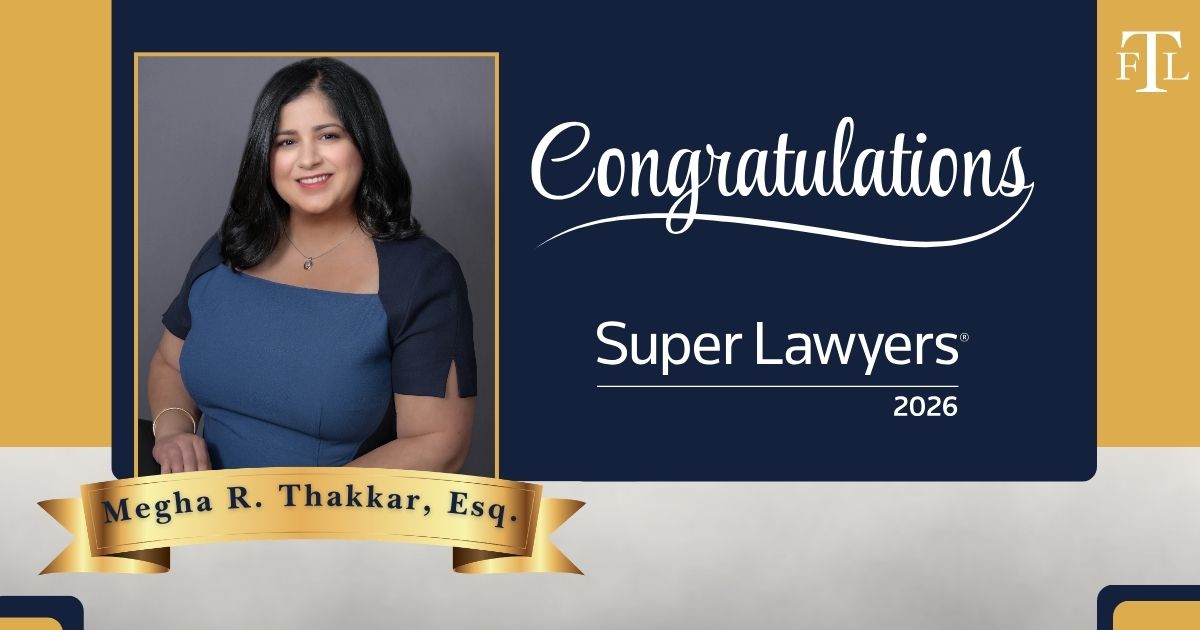
Megha R. Thakkar, Esq. of Thakkar Family Law, provides personalized legal representation for Indian spouses going through divorce in New Jersey. As a family law lawyer with strong ties to the Indian-American community and years of courtroom experience, she brings both legal skill and cultural sensitivity to each case she handles.
Can I Get Divorced in New Jersey If I Was Married in India?
Yes. If you were married in India through a religious ceremony, civil registration, or both, you can still file for divorce in New Jersey as long as you or your spouse meets the residency requirement. Specifically, one of you must have lived in New Jersey for at least 12 consecutive months before filing.
New Jersey recognizes most valid foreign marriages, including those registered under Indian law. However, complex questions can arise when religious customs, dowry agreements, or family-held property are involved. Attorney Megha Thakkar understands these nuances and can help you navigate them carefully and respectfully.
How Does Divorce Work in New Jersey?
New Jersey allows spouses to file for no-fault divorce (based on irreconcilable differences) or fault-based divorce (for reasons such as cruelty or adultery). Many Indian clients prefer a no-fault approach to reduce conflict and protect family reputation.
Key divorce issues include:
- Equitable Distribution: Property and debts acquired during the marriage are divided fairly, not always equally.
- Spousal Support (Alimony): May be awarded based on factors like income disparity, marriage length, and contributions to the household.
- Child Custody: Determined based on the child’s best interests, not cultural norms or parental gender roles.
- Child Support: Calculated using New Jersey guidelines based on both parents’ income and parenting time.
How Is Divorce Different for Indian Spouses?
Many Indian clients face unique challenges during divorce in New Jersey, such as:
- Marriages solemnized in India and questions about the recognition of foreign marriage documents.
- Property or assets in India that must be disclosed and potentially divided.
- Family or religious pressures to avoid divorce.
- Child custody concerns are influenced by extended family expectations.
- Immigration-related risks for dependent visa holders (e.g., H-4 visa).
- Language barriers and the need for culturally competent communication.
Megha has helped many Indian clients handle these challenges with discretion, compassion, and clear legal guidance.
Will My Edison, New Jersey Divorce Be Recognized in India?
Possibly—but not automatically. If you plan to remarry in India or need to resolve inheritance or custody matters there, it’s important to understand:
- Indian courts may refuse to recognize U.S. divorce decrees if they find a lack of jurisdiction or procedural fairness.
- Decrees issued with both parties participating and reasonable notice are more likely to be recognized.
- Mutual consent divorces with participation from both spouses are easier to validate internationally.
If future legal action in India is anticipated, Megha can help you coordinate with counsel abroad and structure your divorce with international recognition in mind.
What If I Am on a Visa? Will Divorce Impact My Immigration Status?
Yes. Divorce can have a significant impact on immigration status, particularly for Indian spouses on H-4 dependent visas or those applying for permanent residency through marriage. Depending on your situation:
- Your visa status may end with the divorce, and you may need to switch to a different visa category.
- A divorce during the conditional green card period could delay or jeopardize your path to permanent residency.
- If you are experiencing abuse, you may be eligible to self-petition under VAWA (Violence Against Women Act).
Megha frequently works with immigration counsel to ensure clients protect both their family law and immigration interests.
What About Custody of Our Children?
In New Jersey, child custody decisions are based on the child’s best interests, not parental gender or cultural preferences. Courts encourage shared parenting when possible and consider:
- Each parent’s ability to provide a stable, loving environment.
- The child’s educational and emotional needs.
- Any history of domestic abuse or coercion.
- The parents’ willingness to cooperate.
If international travel or relocation is a concern, your lawyer can help create a parenting plan that protects your child’s safety and future.
Do I Have to Disclose Assets in India?
Yes. All marital assets, including property or accounts located in India, must be disclosed during the divorce. New Jersey courts may not have direct authority over Indian assets, but:
- Nondisclosure can lead to legal penalties or an unfair settlement.
- Cross-border legal coordination may be needed to divide or secure overseas assets.
- If a spouse tries to hide or transfer wealth abroad, your lawyer will pursue appropriate discovery and legal remedies.
Are Prenuptial Agreements Enforceable?
Yes. Edison, New Jersey courts will enforce prenuptial agreements if they are:
- Written;
- Signed voluntarily;
- Based on full financial disclosure;
- Not unconscionable at the time of enforcement.
Prenups are less common—and less enforceable—in India, but they can offer valuable protection in New Jersey divorces. Your Edison divorce lawyer can review your agreement’s validity and ensure your rights are upheld.
Meet Megha R. Thakkar, Esq.
Megha is a seasoned family law lawyer and the founder of Thakkar Family Law. A New Jersey native and proud member of the Indian-American community, she is deeply familiar with the legal, cultural, and emotional dynamics that Indian clients face during divorce. Megha earned her J.D. from Rutgers Law School and has successfully represented clients in all aspects of family law, including:
- High-conflict divorce
- Property division
- Custody and parenting time
- Domestic violence
- Post-judgment modifications
With a client-first philosophy and a culturally respectful approach, Megha offers compassionate guidance and strong courtroom advocacy to help her clients move forward with confidence.