
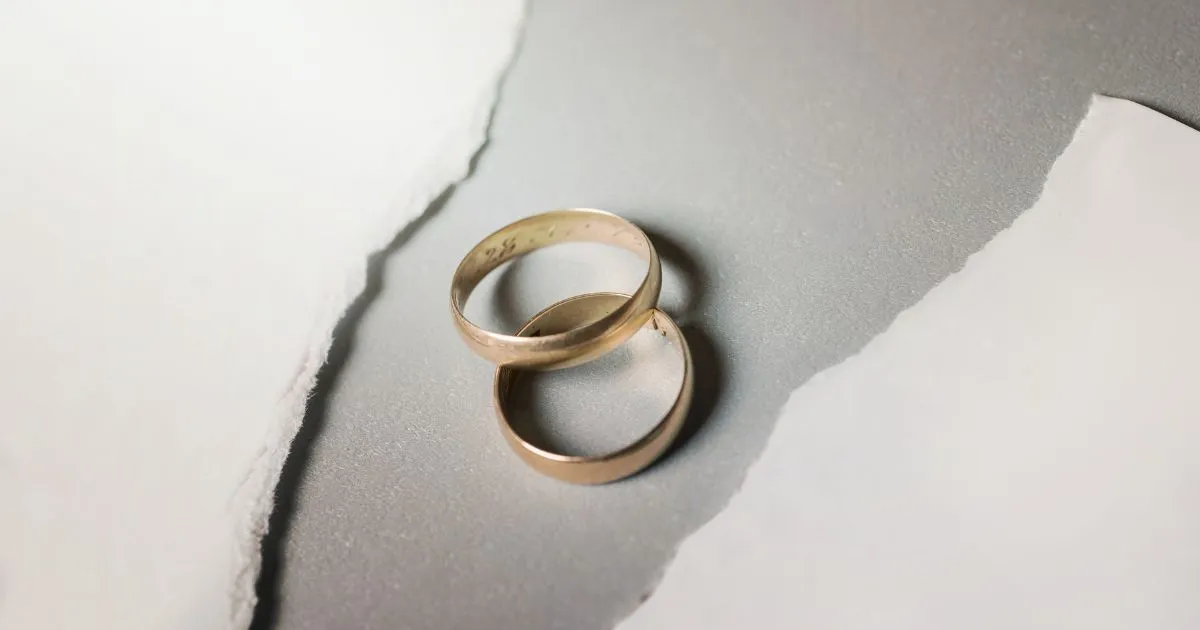
Divorce is one of life’s most challenging transitions, and for Indian families in Old Bridge, New Jersey, these challenges often carry additional layers of cultural and legal complexity. Navigating a divorce requires more than understanding New Jersey law; it also involves sensitivity to community expectations, religious customs, and family dynamics that are often unique to Indian households.
A family law attorney who understands both New Jersey divorce law and the cultural nuances affecting Indian families can help you achieve a resolution that protects your rights while respecting your values.
Unique Challenges for Indian Families in Old Bridge
Indian spouses pursuing divorce in Old Bridge frequently encounter circumstances that differ from those of other families. Many marriages within the Indian community are conducted under religious traditions, whether Hindu, Muslim, Sikh, Christian, or Jain ceremonies, and some may have been registered in India rather than the United States. Cultural expectations also play a significant role, as the decision to divorce can be met with social stigma or familial pressure, adding emotional weight to an already difficult process.
Property division in these cases can be particularly complex. Assets may be held in multiple countries, including real estate, family businesses, jewelry, and investments located abroad. Properly valuing and distributing these assets may require coordination with Indian legal counsel to ensure equitable division in accordance with New Jersey’s laws.
How Divorce Works When the Marriage Took Place in India
New Jersey courts recognize valid foreign marriages, including those performed in India through religious ceremonies, civil registration, or both. To file for divorce in New Jersey, at least one spouse must have resided in the state for a minimum of twelve consecutive months before filing. Once this residency requirement is met, the divorce can proceed in New Jersey courts, regardless of where the wedding took place.
Complications often arise when spouses have different expectations based on Indian marriage customs. Dowry agreements, stridhan (gifts given to the bride), and family-owned property in India require careful legal consideration. New Jersey follows the principle of equitable distribution, which divides marital property fairly, though not always equally, based on factors such as the length of the marriage, each spouse’s contributions, and future earning potential.
In situations where one spouse resides in India while the other lives in Old Bridge, jurisdictional questions may arise. New Jersey courts generally have authority over divorce proceedings for state residents, but may have limited control over assets located abroad. Working with an attorney experienced in international and cross-border issues is essential to ensure a comprehensive resolution.
The Role of Cultural Sensitivity in Divorce Cases
An attorney who understands Indian cultural values can make a meaningful difference in the outcome of a divorce. Many Indian clients prefer a no-fault approach to minimize conflict and protect family reputation within the community. Mediation and negotiation are often favored over contentious litigation, allowing couples to reach agreements privately without prolonged court battles that could attract unwanted attention.
Cultural considerations extend to child custody matters as well. Indian families often maintain strong multigenerational ties, with grandparents playing active roles in the lives of children. Parenting schedules, religious education, and preserving cultural traditions frequently become part of custody discussions. An attorney familiar with these dynamics can advocate for arrangements that honor family values while prioritizing the children’s best interests.
Family Law Matters Beyond Divorce
Divorce is just one aspect of family law. Indian families in Old Bridge may also require legal assistance with issues such as child custody disputes, child support and alimony calculations, post-divorce modifications, prenuptial agreements, domestic violence protection, and grandparent visitation rights. Alimony in New Jersey takes into account factors such as the length of the marriage, each spouse’s earning capacity, the standard of living during the marriage, and contributions as a homemaker or caregiver.
Child custody determinations focus on both legal custody, or decision-making authority, and physical custody, or where the child resides. Courts prioritize the child’s best interests, considering factors such as the stability of each parent’s home, the child’s relationship with each parent, and each parent’s ability to foster a relationship between the child and the other parent.
Handling Complex Assets in High-Net-Worth Indian Divorces
Many Indian families possess significant assets that require careful financial analysis during divorce proceedings. These may include family-owned businesses, professional practices, stock options, restricted stock units, retirement accounts, and real estate portfolios.
When one spouse owns a business, such as a medical practice, technology company, or retail establishment, a forensic accountant is often needed to determine the value of the business and distinguish between marital and separate property. Retirement accounts, including 401(k) plans, IRAs, and New Jersey state pensions such as PERS, PFRS, and TPAF, are often divided through Qualified Domestic Relations Orders or similar mechanisms to ensure compliance with state and federal law.
How Mediation Helps Indian Families
Mediation offers an alternative to traditional litigation that many Indian families find appealing. In mediation, a neutral third party assists spouses in negotiating agreements regarding property division, custody, support, and other issues. The process is generally less adversarial, more private, and faster than going to trial. For Indian families concerned with maintaining discretion, mediation allows matters to be resolved without public court proceedings and gives spouses more control over the outcome.
Frequently Asked Questions (FAQs)
Q: Can I file for divorce in New Jersey if my marriage took place in India?
A: Yes. New Jersey courts recognize valid foreign marriages. At least one spouse must have lived in New Jersey for twelve consecutive months before filing.
Q: How is property divided in an Indian divorce?
A: New Jersey uses equitable distribution, which divides marital property fairly but not necessarily equally. The court considers factors such as the length of the marriage, contributions of each spouse, and future earning potential. Assets held abroad or family businesses may require additional legal coordination.
Q: Are prenuptial agreements enforceable in New Jersey?
A: Yes, prenuptial agreements are generally enforceable if they were entered into voluntarily, with full disclosure, and are not unconscionable. They can help clarify property division and financial expectations in Indian families with significant assets.
Q: How are retirement accounts divided in divorce?
A: Retirement accounts such as 401(k)s, IRAs, and state pensions are typically divided through Qualified Domestic Relations Orders or similar legal mechanisms, ensuring compliance with state and federal regulations.