
Divorce can be challenging, especially when it involves unique cultural and legal considerations. For many families in the Indian community, decisions surrounding property division, child custody, and financial matters often involve deeply rooted traditions and expectations. The process requires careful attention to New Jersey family laws and the values that matter to you. Working with a legal professional who understands these factors can make a meaningful difference in how the key issues are addressed and resolved.
At Thakkar Family Law, we provide representation tailored to the needs of Indian families in Woodbridge and throughout New Jersey. Every case is different, and the laws that apply can impact your future significantly. From evaluating financial disclosures to addressing parenting arrangements, a dedicated approach can help you pursue resolutions that meet your priorities while respecting cultural considerations.
What Are the Grounds for Divorce in Woodbridge, New Jersey?
New Jersey recognizes both fault and no-fault divorces. A ‘no-fault’ divorce is based on irreconcilable differences or separation for at least 18 months. ‘Fault-based’ divorces may involve claims such as adultery, abandonment, or extreme cruelty. The grounds you choose can affect negotiations, especially when addressing property, financial obligations, or custody issues.
How Does Culture Affect Divorce for Indian Families?
Cultural expectations often influence decisions related to property division, parenting, and financial support; extended family involvement may play a role in custody discussions or the handling of shared assets. Our Woodbridge Indian divorce lawyer will thoughtfully incorporate your cultural considerations while complying with New Jersey family law.
How Are Assets Divided During Divorce?
New Jersey follows equitable distribution, meaning property is divided fairly but not necessarily equally. Courts review factors such as income, length of the marriage, and each party’s contributions when determining division. Assets may include homes, retirement accounts, business interests, and other property acquired during the marriage.
What Happens if One Spouse Owns Property in India?
New Jersey courts may require complete disclosure of overseas assets when calculating equitable distribution. While U.S. courts cannot directly transfer ownership of property located in India, they may offset the value of those holdings when dividing other assets. Our Woodbridge Indian divorce lawyer is familiar with divorce cases involving international property considerations and can guide you on the legal steps needed to address property ownership across jurisdictions.
How Is Child Custody Determined in Woodbridge, NJ?
Child custody decisions are based on the best interests of the child. Courts evaluate factors such as each parent’s ability to provide a stable environment, the child’s relationship with both parents, and any special needs. Cultural practices may also influence parenting plans if they impact the child’s upbringing. In some cases, extended family traditions are taken into account when crafting custody arrangements that work for everyone involved.
What Role Does Mediation Play in Woodbridge Divorces?
Mediation offers an opportunity for both parties to work toward solutions outside of court. In many Indian divorces, mediation provides a chance to address financial and parenting concerns in a private and structured setting. Agreements reached during mediation can often lead to faster resolutions and reduced conflict.
How Is Spousal Support Calculated?
Spousal support, also known as alimony, may be awarded based on factors such as income, earning capacity, length of the marriage, and standard of living. Courts examine the financial circumstances of both parties and the ability of each to maintain stability after divorce. In cases where one spouse contributed primarily to household responsibilities, financial support may help balance future economic opportunities.
What if One Spouse Wants to Return to India With the Children?
Relocation cases involving international moves require court approval. If one parent wishes to move to India with the children, the court considers the potential impact on the child’s relationship with the other parent. The decision involves reviewing educational opportunities, extended family connections, and the ability to maintain meaningful communication. These cases can be highly sensitive, so we recommend contacting our Woodbridge Indian divorce lawyer early in the process.
How Does Divorce Affect Retirement Accounts?
Retirement benefits earned during a marriage are typically considered marital property and may be divided during divorce. The process often requires a Qualified Domestic Relations Order (QDRO) to properly distribute benefits without triggering penalties or taxes. Because Indian families often prioritize long-term financial planning, it is important to evaluate all of a couple’s retirement-related assets carefully before reaching a final agreement.
What Happens When Family-Owned Businesses Are Involved?
For many Indian families, business ownership plays a significant role in financial stability. Divorce involving a jointly-owned company or family-run enterprise requires a thorough valuation of the business. Courts may consider each spouse’s involvement, income generated, and future earning potential. Our Woodbridge Indian divorce lawyer helps spouses come to agreements involving buyouts, restructuring, or profit-sharing agreements, depending on the circumstances.
How Are Religious Considerations Addressed?
Religious practices sometimes affect divorce-related decisions, particularly in Indian families where customs influence wedding arrangements, inheritance, and child-rearing. While New Jersey law governs the division of assets and parenting schedules, our Woodbridge Indian divorce lawyer can incorporate religious preferences into agreements where both parties consent. This approach allows families to maintain traditions while remaining compliant with state laws.
When Should I Contact a Woodbridge Indian Divorce Lawyer?
Early legal advice can help you better understand your rights and responsibilities. Whether you are preparing to file or responding to a petition, contacting our Woodbridge team can provide clarity. We can explain your options for property division, custody, and financial planning, while prioritizing your valued traditions. Starting the process with informed guidance can help prevent disputes and avoid overlooking critical details that may impact your future.
An Experienced Woodbridge Indian Divorce Lawyer at Thakkar Family Law Will Protect Your Rights and Help You Build a Stronger Future
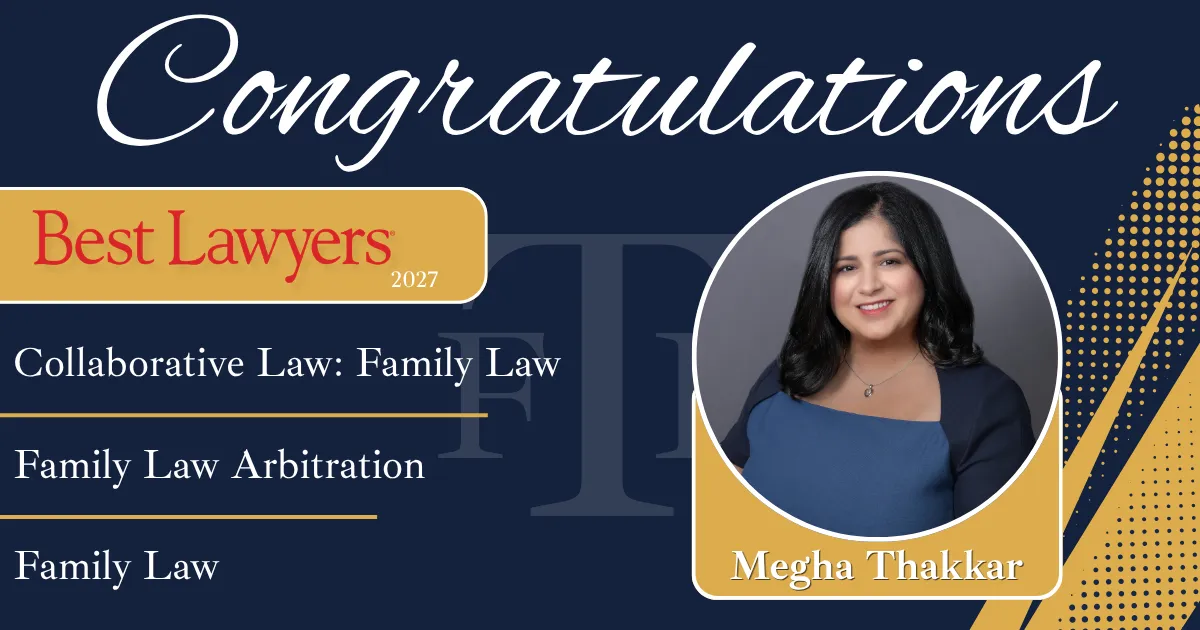
If you need legal advice and representation, Megha R. Thakkar, Esq. at Thakkar Family Law will provide the guidance you need. For a free consultation, call a Woodbridge Indian divorce lawyer today at 732-456-7456 or complete our online form. Located in Piscataway, New Jersey, we proudly serve clients in Middlesex County, Somerset County, Mercer County, Union County, and throughout New Jersey.